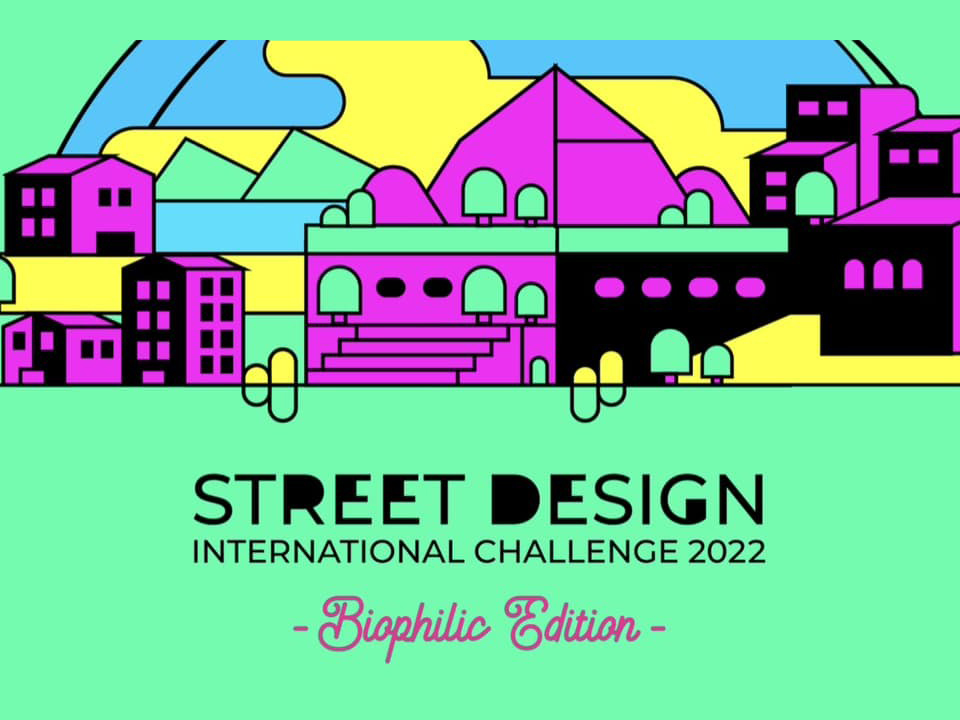
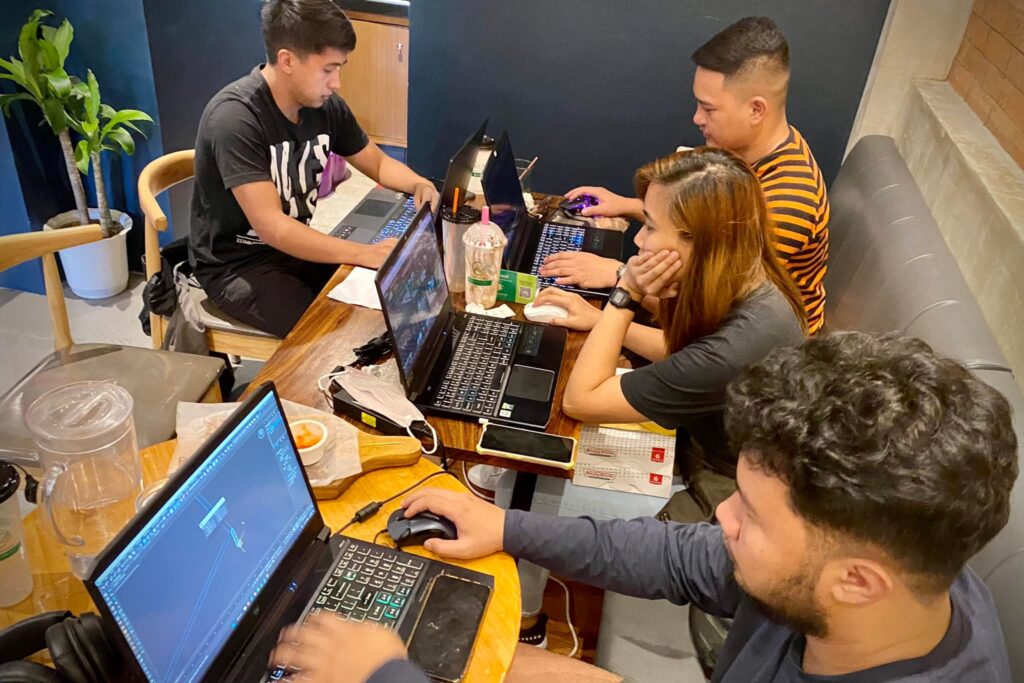
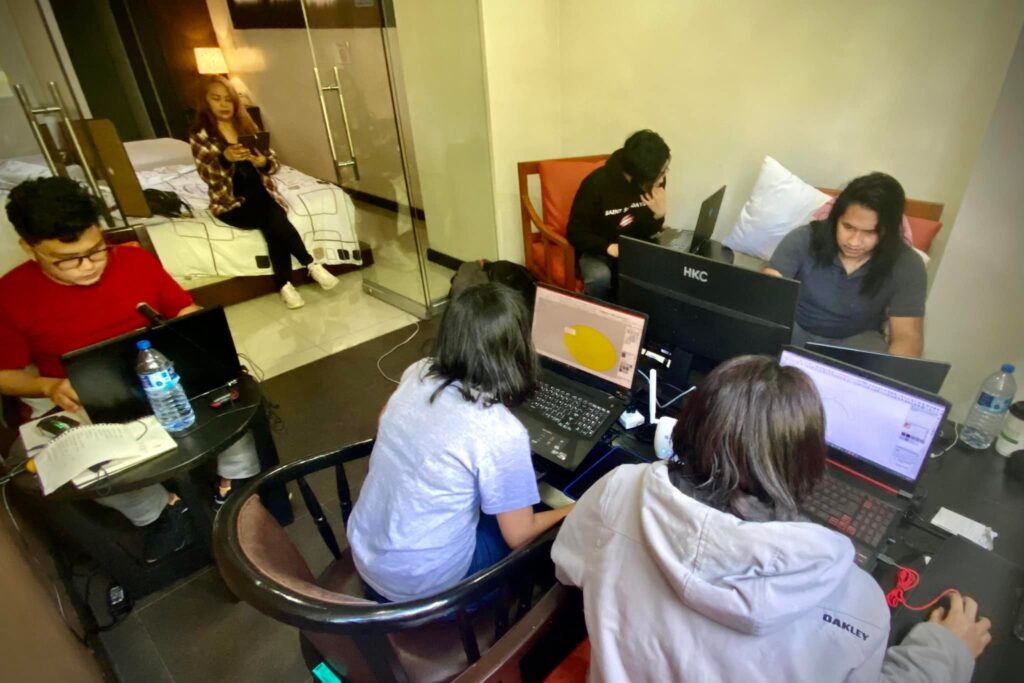
Architecture students from the UC, together with peers from Saint Louis University (SLU) and the University of Baguio (UB), proudly represented Baguio City in the UNESCO Creative Cities Network Street Design International Challenge, held in conjunction with the Ibagiw Creative Festival 2022.
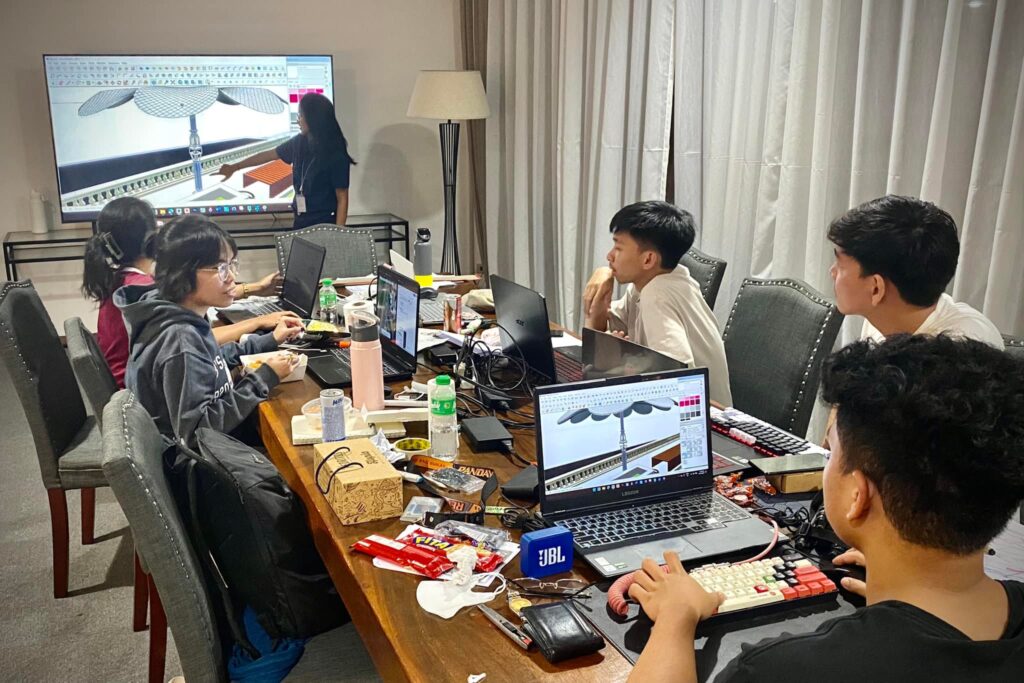
The international competition, which ran from November 12 to 14, 2022, was a 48-hour on-the-spot design challenge where university teams from participating UNESCO Creative Cities were tasked to develop innovative design proposals addressing real-world urban issues. This year’s challenge focused on revamping a peri-urban street through biophilic design, a concept that integrates nature into urban environments to promote ecological balance and human well-being.
Representing Baguio City- UNESCO Creative City for Crafts and Folk Art, the student teams worked on a design proposal for Rua Sapucaí Street in Belo Horizonte, Minas Gerais, Brazil, one of the foreign partner cities in the challenge. The competition encouraged participants to respond to the site’s territorial, social, financial, and cultural context, requiring creativity, collaboration, and sensitivity to global diversity in urban design.
The activity provided UC architecture students with the opportunity to engage in cross-cultural learning and creative problem-solving, applying classroom principles to an international context. It also allowed them to explore how biophilic and sustainable design strategies can be adapted to different urban settings while maintaining cultural identity and inclusivity.
The UC College of Engineering and Architecture commends its students for their participation and creativity in this global design challenge, which aligns with the university’s goal of cultivating globally minded architects who design with sustainability, culture, and humanity in mind.
This initiative supports SDG 4 (Quality Education) by providing international experiential learning opportunities for architecture students. It contributes to SDG 11 (Sustainable Cities and Communities) through the promotion of biophilic and sustainable urban design solutions. It aligns with SDG 9 (Industry, Innovation, and Infrastructure) by encouraging innovation in urban regeneration and design thinking. Lastly, it reinforces SDG 17 (Partnerships for the Goals) through global collaboration under the UNESCO Creative Cities Network, promoting shared creativity and sustainable urban development across cultures.